









Disclaimer: There may be affiliate links & ads on this website, this helps support the website
Table Of Contents
- Understanding Local Culture and Traditions
- Languages spoken in Evaton North
- Family Values and community connections
- Traditional food and our local favorites
- Events that strengthen community bonds
- Cultural traditions passed down through generations
- How modern life is influencing local traditions
- Frequently Asked Questions & Answer
Evaton North’s local streets and residences contain deep cultural and traditional roots shaped by generations of varied families and experiences.
Local culture and traditions in Evaton North have a major effect on our identity, values, and social conventions.
Over the years, I’ve learned how a simple hello, thank you, and please affects, our relationships and how we treat one another in the community.
In addition to originating from various cultures, family values, and generations, the culture we establish as a community impacts our daily lives including our local culture and traditions.
Understanding local culture and traditions
According to my perspective of community roots defining local culture and traditions in Evaton North, they simply point us to our common ground that has cultural foundations and deep history, which offer each of us a sense of belonging regardless of whether we are new or old members of the community.
Are You Rushing? Check Our Traditional Items To Give You An African Feel…
African Wooden Earrings good for women
BintaRealWax African Necklace Earrings Set will look good on any cultural attire.
AKLOT African Drum Hand-Carved used during our cultural ceremonies.
For example, it is crucial that every home speak up when a community meeting is held to discuss issues that need to be resolved as well as enhancements and modifications.
Such as donating for gadgets that will help us during load-shedding or crime, that call for community input regardless of changes directly and indirectly affecting you.
In the area where I live, meetings are always conducted on the football pitch in Block 5, which is considered to be the township’s major hub and is accessible to all residents.
Throughout the years, we consistently ensured that community residents have employment chances to participate in community projects, for example in 1997, my father was chosen to help build Rutasetjhaba Secondary School.
And today, modern technology, such as social media platforms have a significant impact on how we connect and communicate as a community.
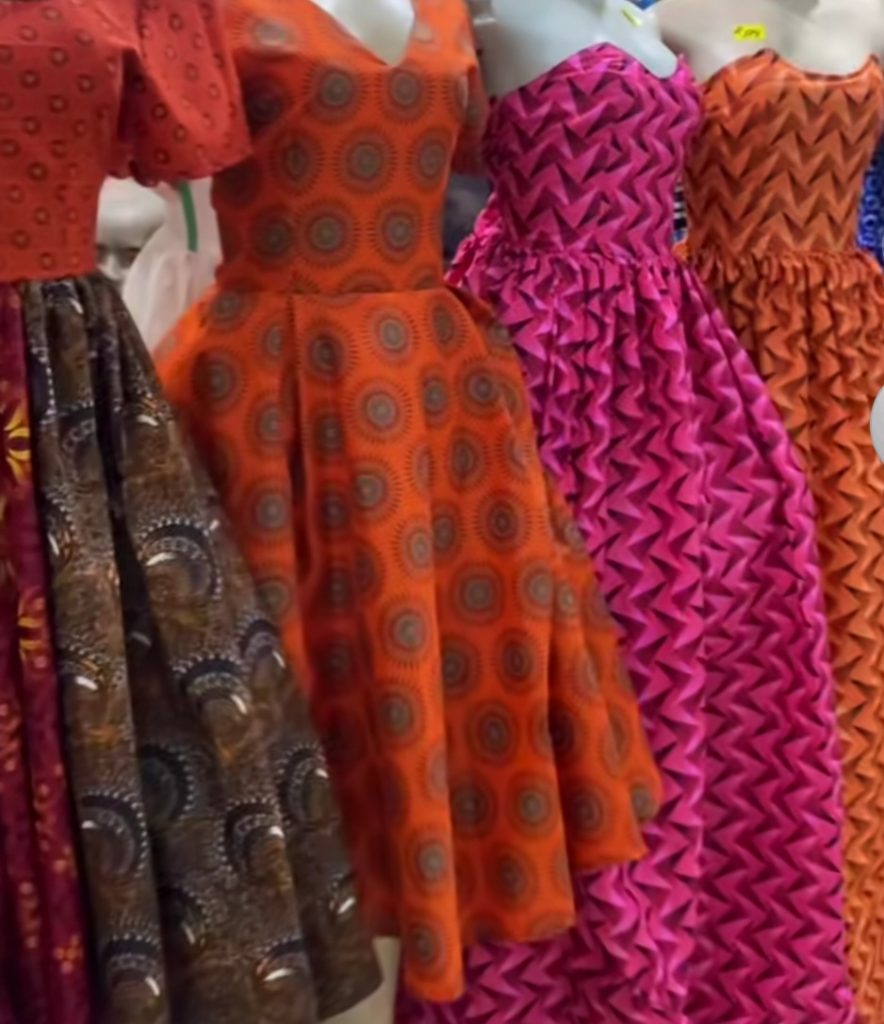
And upon agreement and mutual understanding, trusted community members where chosen to assist and protect us as a valuable gesture being the safety of the community.
This is why we can call and ask for assistance when we are headed to work early in the morning or school by public transportation; these chosen members can accompany us in the early hours of the day.
Languages spoken in Evaton North
The importance of language reminds me of how the spirit of entertainment and inclusion was back then; as children, we never identified each other based on our skin color or the languages we spoke, but rather learned to meet the needs of each other and have a mutual understanding of the language.
It was never about communicating to distinguish between us as kids, but about communicating to engage without excluding one another.
I, for one, grew up playing with kids who spoke Shona, isZulu, and Setswana, but I spoke Sesotho, which had a significant impact on my comprehension of various cultures and linguistic diversity.
Not to mention how a diverse primary school performed an important part in connecting all languages, improving them, and teaching us the universal language being English.
Today, Evaton North’s local culture and traditions help to preserve our cultural identity by teaching younger generations about the local languages and layering foundations of humanity.
Family values and community connections
Living in the same neighborhood has never been the only aspect of communal life for many of us. The area’s identity has been shaped by family ties, religious events, neighborhood schools, and helping one another through trying times. For example:
- In the event of an emergency, it is common to seek a reliable family friend to assist with child care.
- Asking for a loan is common in communities.
- It is normal for us to share and ask for food during difficult times.
- Sending invitations to local ceremonies, entertainment events, or cultural events is common.
- Any member of the household must attend the funeral and show support, so that the gesture can be repaid in the future.
Ubuntu is deeply rooted in us and affects all aspect of our daily existence; you should expect to be given the same treatment as you give others.
Elderly folks need to be respected, and it’s crucial to use distinct terminology while speaking to persons of different ages.
And if you don’t welcome people, you should anticipate that you won’t be welcomed in return and that your actions will be reciprocated.
Traditional food and our local favorites
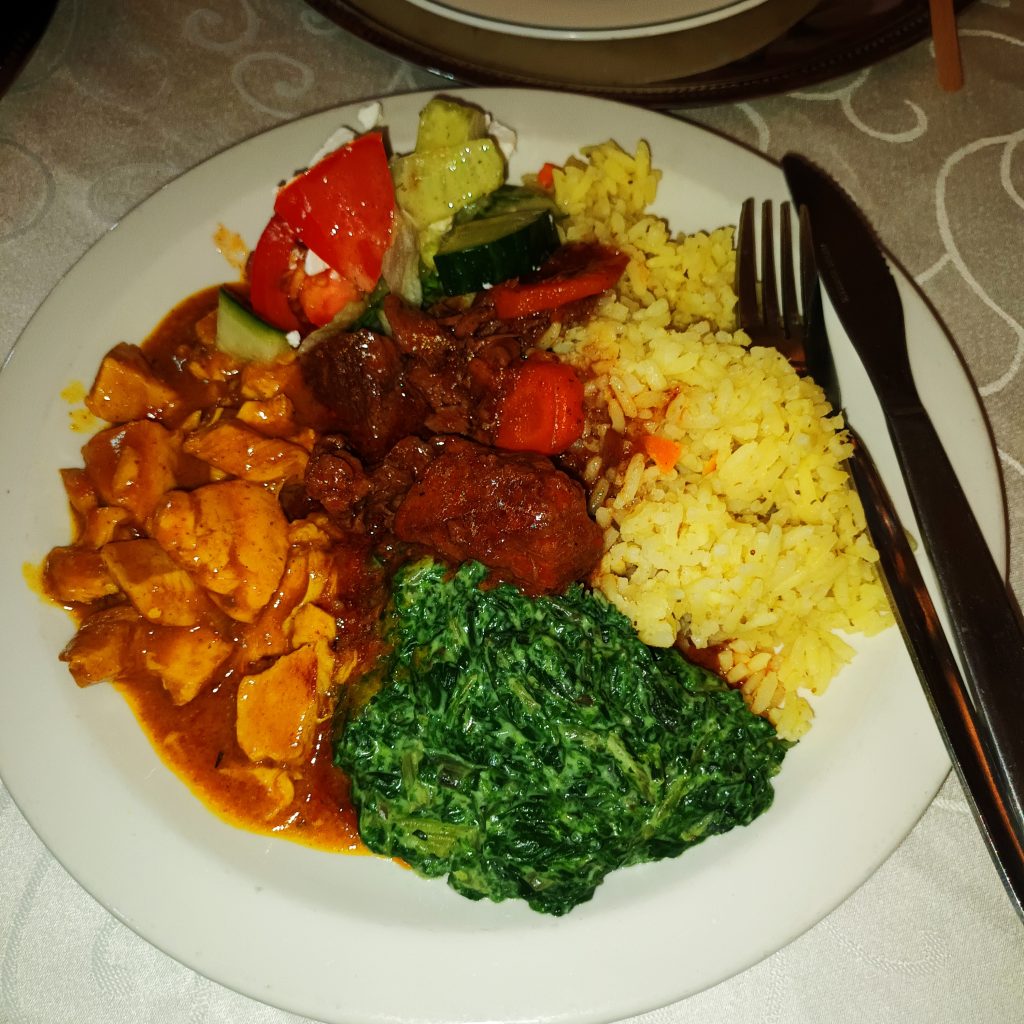
On special occasions and on weekends, local families are known to prepare what we refer to as “several colors locally.”
It is especially enjoyable on Sundays when the entire immediate family is available mostly after a church service allowing us to interact and exchange devotion within us.
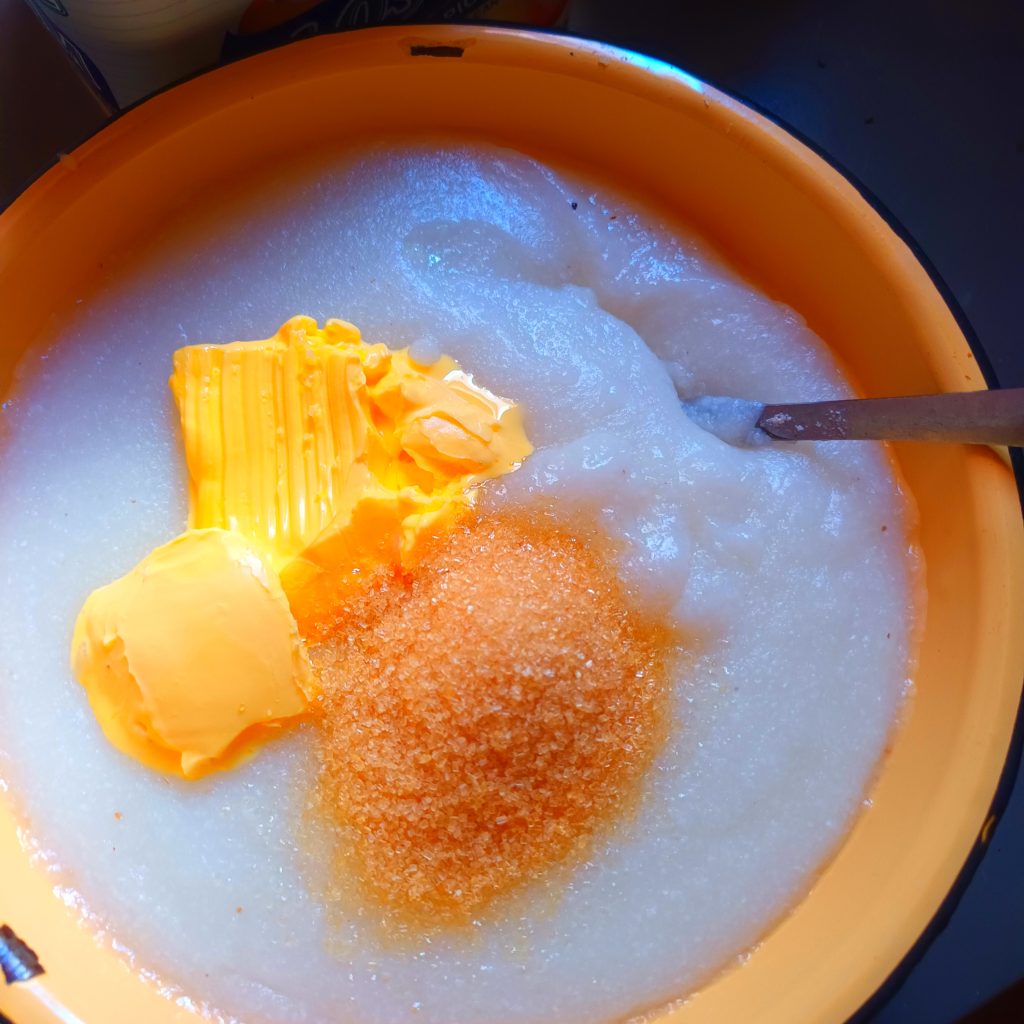
Additionally, we have street sellers whom sell some of our favorites such as:
- Magwinya (fat cakes)
- Soft porrage
- Cookies and muffins.
- Cow head (Nama ya hloho)

Events that strengthen community bonds
Despite the spirit of Ubuntu and the love of inclusion that surrounds us, each and every member of the community has the freedom and right to select what they will and will not follow. For example:
- Our unique beliefs and values continue to shape our identities as individuals.
- We have a diverse set of churches separated by ancestral and higher power, including some who do not believe in either ancestors or God, who are among the largest believers.
- Community events may or may not include sports in our local ground center which do not choose whom is invited or not.
Cultural traditions passed down through generations
Many houses in our community continue to follow traditional customs that have been passed down through the generations.
With majority of homes having traditional healers within their homes also known as “Sangomas or Dingaka” whom are initiated around the world helping and working with bones and traditional herbs which we call
“imithi” or “meriana“.
Members of the community seek advice from traditional healers about their spiritual, medical, and future well-being and required to pay a specific consultation fee.
Some of this traditional customs within them include mountain initiation and practiced by both men and women which is locally known as “lebollo” and the initiate known as “lekolwane” or “lethuwela” but varies wuth language and the method of practice.
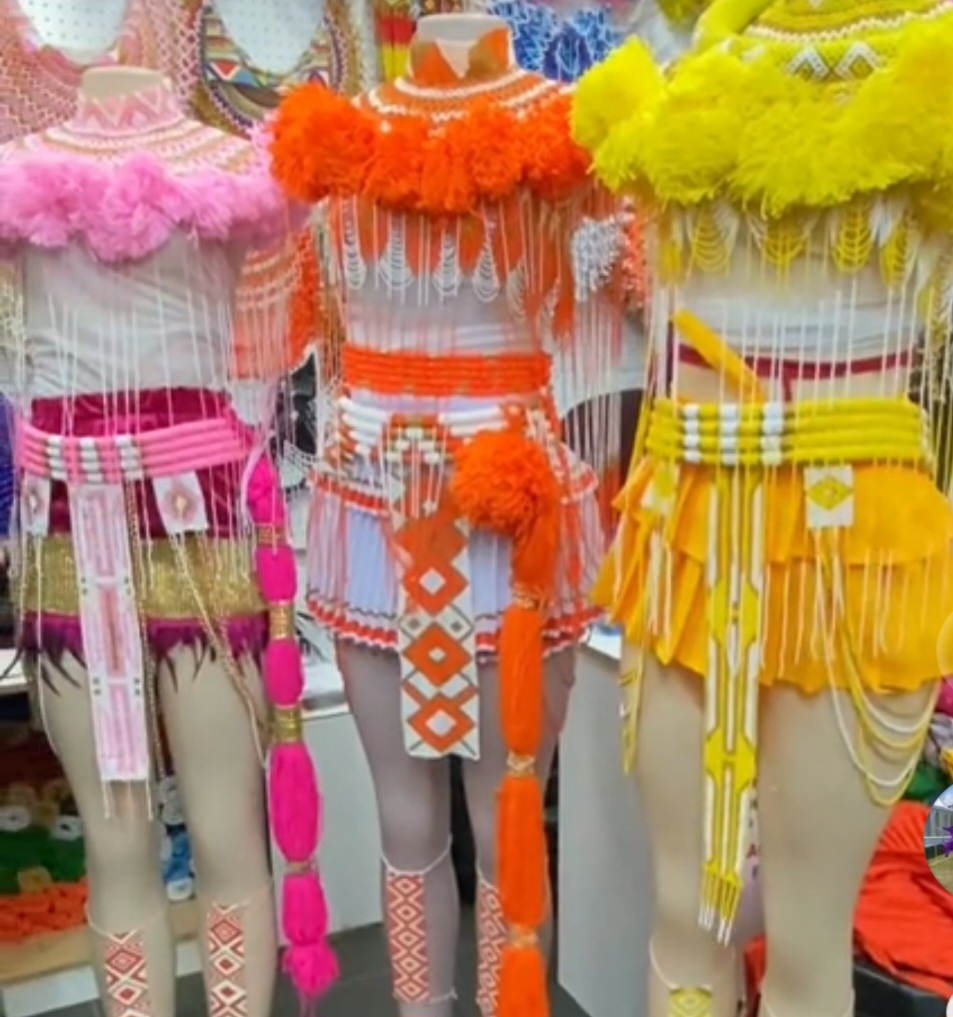
The majority of the time, we witness heritage emerging in traditional rituals, where families will show strong support for a newly initiated family member by dressing traditionally and performing their sacred songs and incantations.
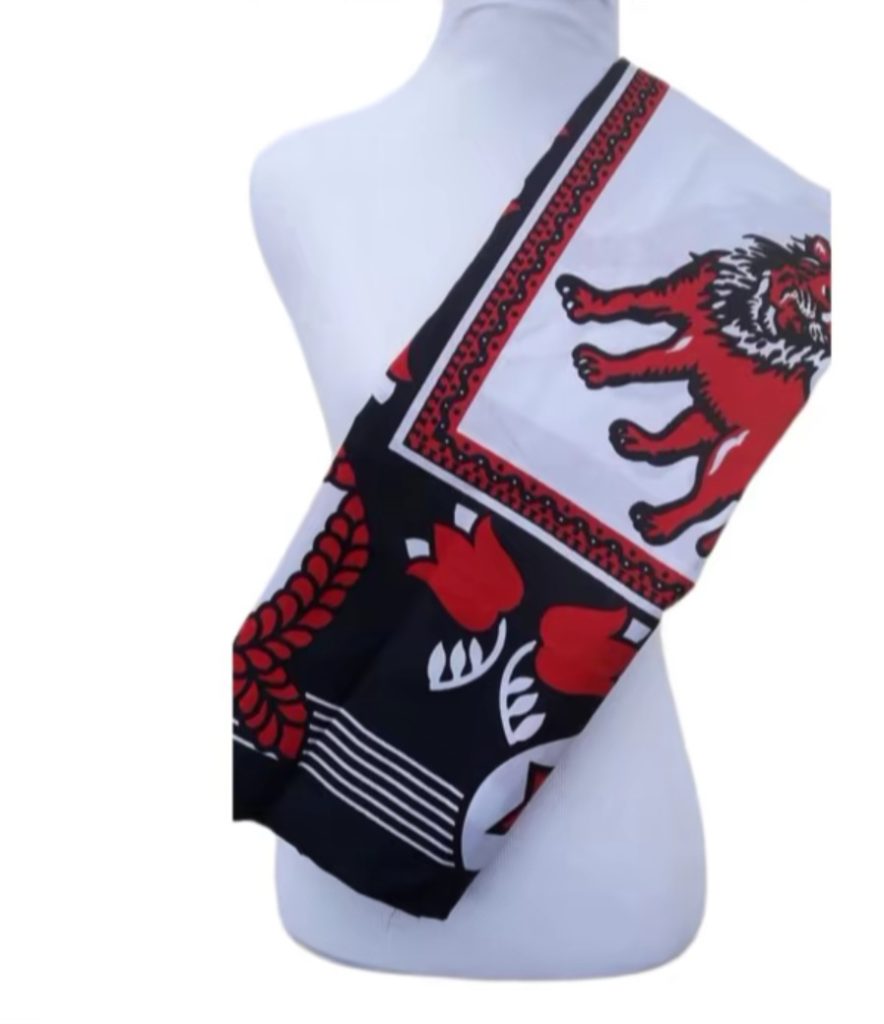
Additionally, because the heritage is visible on South African calendars, businesses, brands, and educational institutions honour it by letting children wear traditional clothing and celebrate their unique background.
How modern life is influencing local traditions
Social media and modern technology have a huge impact on local culture and traditions not excluding neighboring countries and communities which are accessible online.
I believe that modern lifestyle has both advantages and disadvantages in terms of local culture and traditions in communities, for example:
- Social media platforms have proven to be an excellent resource for raising awareness and educating people about different cultures.
- As a result, information is transparent and adaptable on the internet.
- In the near future, it will be possible to revisit some of the wonderful moments that were cherished.
- We are able to argue that some information is now transparent to the entire world instead of being hidden.
- However, it also revealed several additional customs that are considered sacred and should not be disclosed to the general public in order to preserve cultural identity.
- Technology also uses this information in a sense that may be seen as biased and opening a platform for hatred.
- Leaving many customs and cultures with little to no respect.
Looking beyond the positive and negative aspects of modern technology, I feel that the effects can be employed based on how an individual perceives them.
In my perspective, these platforms gave the younger generation an opportunity to choose between what is wrong and right ever since everything is all available to them.
Allowing them to eliminate and balance between modern lifestyle and traditional values in order to have direction and a sense of belonging in life.
Why local culture and traditions matter?
I’ve witnessed that social media and the internet have everything within it these days, making it challenging to distinguish between accurate and inaccurate information.
By fostering a sense of belonging and preserving history, local culture and customs can help close the gap.
In this way, the younger generation will have somewhere to look up to, whether it’s either wonderful or awful, when it comes time for them to go on and pursue better opportunities in the near future.
Additionally, if they are sufficiently proud of their origins, they can return and improve prospects for others or make their towns more prosperous.
Local cultures and customs have had a great impact over the years and continue to have something meaningful inside them.
Despite some visible and hidden conflicts that take place within residents and surrounding areas the good and meaningful can still be done by that will allow us to appreciate and preserve local traditions.
What do you value about your community? What memories do you believe should be kept and protected?
Frequently Asked Questions & Answer
What are other cultures in South Africa?
Other cultures include but not limited to Ndebele, Venda, SiSwati, Afrikaans and Xhosa
What are five traditional food and their names?
To be honest with you traditional food differs by culture and origin which impacts how they are cooked, for each and everyone of us for example we have Bohobe also know as steamed bread which can be served with tea or eaten with hard body chicken (traditional slaughtered chicken), we also have Mabele (sorghum porridge), Ting (fermented porridge) eaten as Pap (maize meal),last but not least we have Dikgobe(overcooked corn) sometimes served with beans.


Pingback: Why A Cup Of Hot Chocolate Hits Different In South Africa 2026
Pingback: Our Local BP Garage Supports The Community Of Evaton North