











Disclaimer: There may be affiliate links & ads on this article, this helps support the blog.
Table Of Contents
It’s exciting. It is overwhelming. And, to be honest, it’s a little scary too.
Moving into a new place is one of the most exciting moments in an individual’s life. For many first-year students, this is their first experience with freedom, new connections, and life away from home.
In this guide, we’ll cover everything every first-year student needs to know before moving into residence, so they can avoid turning their excitement into stress.
Did You Know? Amazon Has 6 months Free Trial For Young Adults?
If you are a young adult between 18-24 years of age you can sign-up here for the 6 month free trial, become a member and enjoy discounted purchase & cancel membership anytime?
Why every first -year student needs to prepare early
Moving to a new place is emotionally and mentally exhausting, whether for work or other reasons driving you away from the township, and it is critical to strike a balance between comfort and focusing on what is most important without compromising others responsibilities.
To avoid failing as a first-year student, it is extremely important to attend university orientation and become acquainted with the rules, school system, academic facilities, make companions and course work.
Last but not least, attend classes to gain insight about your lectures, their rules, and how they operate.
In this situation, getting ready in advance will enable you to take advantage of student deals such as Amazon Prime for Young Adults.
This enables young adults between the ages of 18 and 24 to receive a discounted Prime membership, which offers all of Prime’s services at half price in addition to other incentives including 5% cash back savings on cosmetics, electronics, and personal care.
Because popular things sell out rapidly during registration times, taking advantage of student discounts will help you avoid paying a lot of money.
Additionally, after you have everything you need, you can concentrate on settling in and making new friends rather than wasting time searching for forgotten necessities.
Every first-year student must have essentials
I still have the same goosebumps I experienced years ago, excitement, fear of the unknown, and impatience all at once.
However, I remember right after my application was accepted, I kept going back and forth with my friends whom where already doing their first academic year .

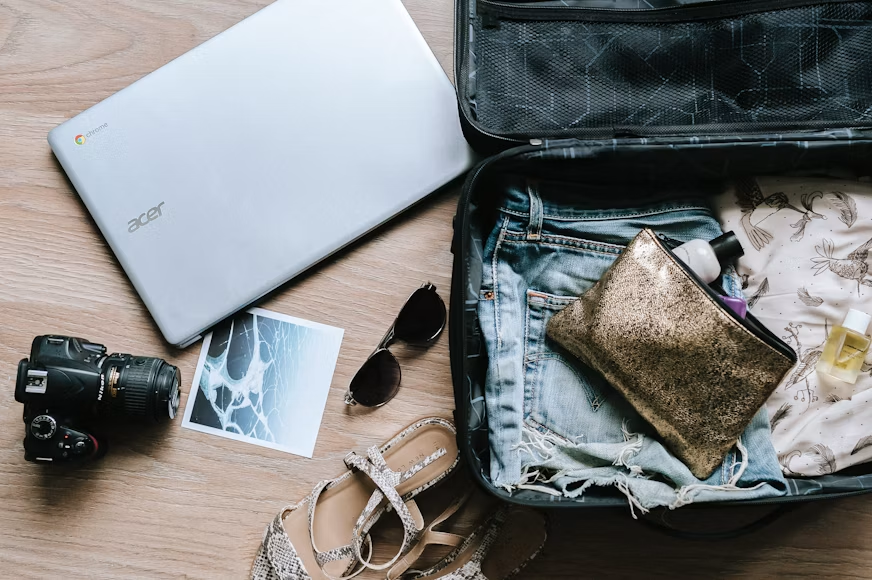

Asking them about their roommates, how they found their accommodation, and according to the university, what every first-year student needs before the academic year starts, and to save you the stress, here is what you need to do before anything else;
1.Notebook/ Notepad
You must utilise a notepad for your study in the same way that you use your smartphone for everything else. Many people feel that smart gadgets are here to eleminate the old method of research and obtaining information but trust me they are not.
Consider it an alternate strategy that will assist you in conducting research, developing strategies based on what you discover, determining what you can compromise on, and identifying potential hazards.
2.Jot down essential documents to pack
NB: Have digital documents and hardcopy documents.
- Identification document or passport.
- Student card (if previously issued)
- Admission letter
- Residence allocation confirmation.
- Medical aid data.
- Bank details.
- Rescue contact list.
It is sometimes preferable to keep a certified hard copy of your ID and supporting documents to scang it quickly in case you lose your digital backup.
3.Study and academic essentials to note
For this particular section, I will require you to conduct detailed research, particularly if you are going to be using specific goods for the first time.
Every first-year student needs to have a strong reference and review of what they wish to buy and require for productivity purposes because some gadgets die quickly, some over heat and some malfunction and this is what you need to avoid.
Your dedicated student corner should have:
- Laptop or computer
- Charger with extension cord.
- Notebooks.
- Pens and highlighters.
- USB flash drive.
- Backpack.
4.Beddding and sleeping essentials checklist.
For this section, I would suggest returning to your drawing board because you don’t have to buy everything, you may use goods you already own or plan ahead and acquire discounted items like:
- Protector for mattresses.
- Fitted sheets.
- Pillows and pillowcases.
- Blanket.
- The duvet and its cover.
- An additional set of bedding.
Given the demanding academic lifestyle, it’s important to remember that getting enough sleep enhances both academic achievement and general wellbeing.
5.Electronics and security essentials
- Tiny lock.
- Locking your rucksack.
- A personal first aid kit.
- Emergency funds.
- A power bank.
- Headphones or earphones.
- Plug extension USB cords for charging.
These are the majority of easily overlooked but crucial items. In my opinion, it’s better to be in a safe position than not at all.

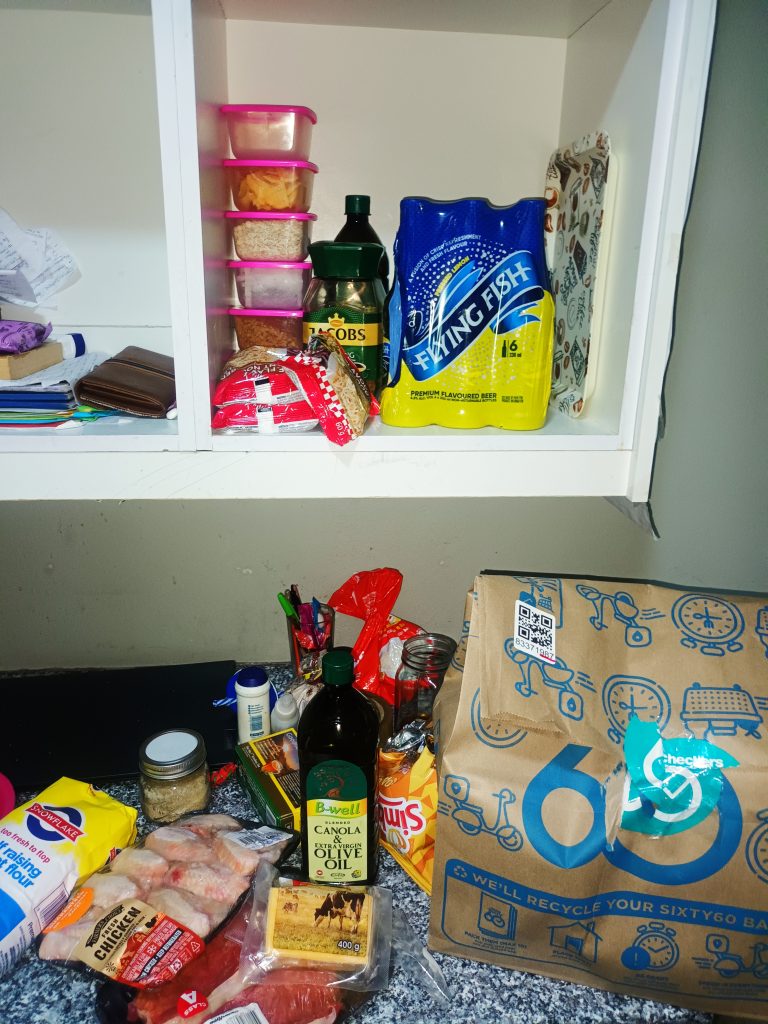
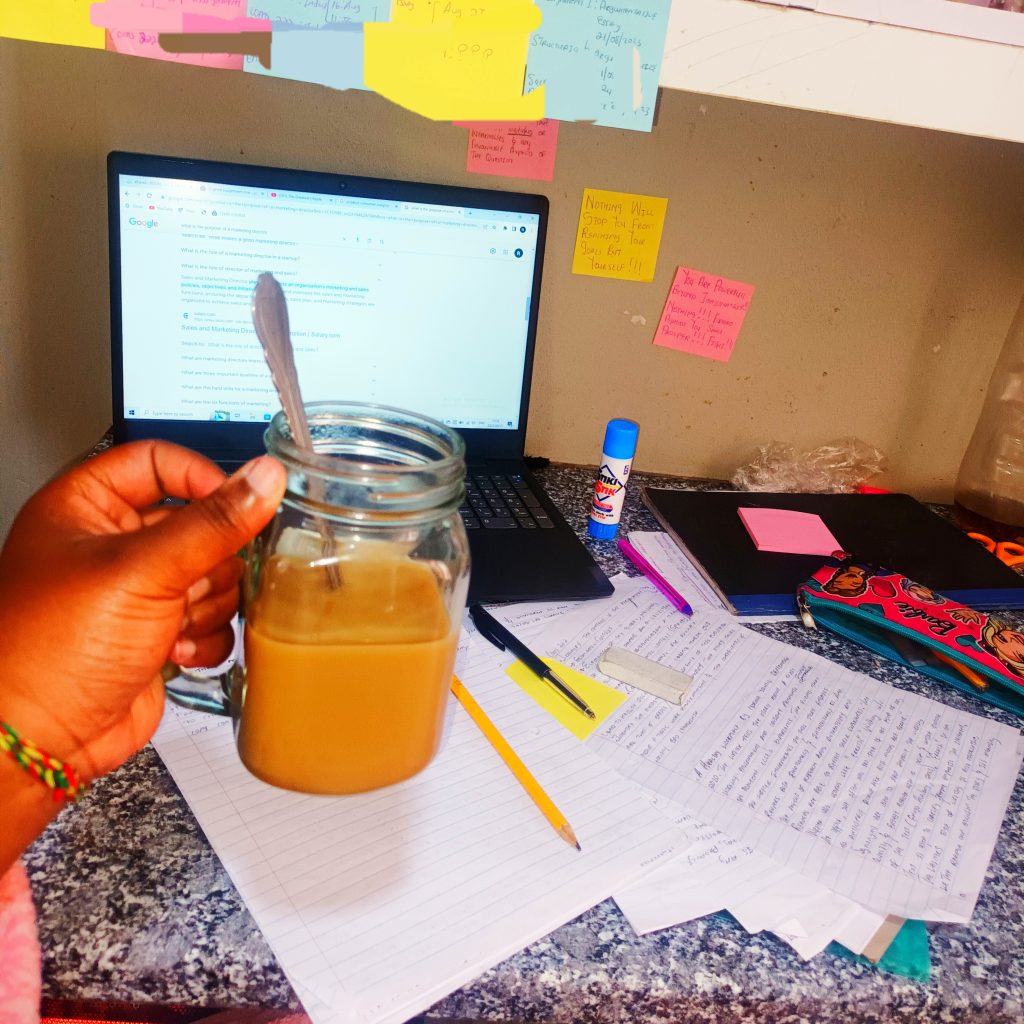
Depending on your nature type, you might find it difficult to borrow items from others or, worse, you might not have anyone to borrow from, which will severely hinder your productivity overall.
Learning to manage your own money
This is your first genuine lesson in financial independency away from home as a young adult. Your decisions today have an impact on tomorrow and the rest of the month; you can’t be perfect at everything, but reflecting on and correcting your mistakes will be worthwhile. For instance:
- Every first-year student needs to know that student discounts matter, they are there for a reason.
- You need to prioritize essentials first like budget-friendly meals, study packs and clothes.
- Every first-year student needs to have emergency money saved up as little as it may be.
Budgeting as a student is on of the most underrated things to do even more when you are, surviving on one stream of income like NSFAS bursary.
But it having R200 saved up comes in handy when you have to use public transport or you have to buy medication quickly or even for entertainment purposes.
The things no one tells you about academic lifestyle
Not every fresh beginning is certain, but it is always full of possibilities.
Every firs-year student needs to know that their academic path will provide them with perspectives and realities that they did not know existed in this world, as well as attributes they did not know they possessed.
At some point in my academic path, I wanted to give up since I was mentally impoverished and believed that academic theories were merely meant to manipulate us into believing that we were never adequate enough.
Why? Because my academic outcomes were never satisfactory; there was always something to improve and something wrong with how I implement my discoveries, regardless of how much work I put in to achieve my goals or, at the very least, what lecture deemed to be good results.
Therefore, understand that it’s acceptable to make mistakes and fail; what is important is letting yourself grow, being coached, and not living in your own bubble.
There may be many uncertainties, problems, and questions along the way. However, there is a chance for development, learning, and change within that unclear environment.
Mistakes every first-year student needs to avoid
Every first-year student needs to avoid making too many friends who are above their academic level because they have already established themselves in this academic journey making some advices to be deceptive.
- Don’t fall for the myth that first semester classes are meaningless; keep in mind that you don’t know what you need, to build a new academic routine for yourself from scratch.
- Remember why you went to university and where you came from. Don’t put too much pressure on yourself; you need to enjoy yourself as much as you study.
- This is not a race, so don’t compare yourself to other students, because some students perform well academically even if they spend little to no time preparing for their academics.
- Use what you have to live; just because one student doesn’t need books to pass and study doesn’t imply you don’t need them to.
- For greater comprehension and clarity, don’t be afraid to consult your lecturer or your academic representative.
You don’t need to have it all figured out
Every first-year student needs to understand that it is acceptable to make mistakes, forget things, and face problems since this is more than just moving into a room; it is about becoming a new version of yourself.
- Some days, you’ll feel like you’re losing yourself.
- Some of you will feel like a failure and a loser.
- Sometimes you may want to give up.
- Sometimes you may feel really lonely.
- Sometimes you may feel as if you can’t do anything right.
- You will feel lost before you feel settled.
- Homesickness is normal.
Recognize that most people grow through discomfort; even if you are not facing the same difficulties as the person next to you, it’s possible that they are also having life challenges.
When life seems overwhelming, start treating yourself with care, go for a walk, read something pleasant, keep a journal, or watch calming videos.
Ultimately, moving into a new home involves much more than just packing beds, clothes, and study materials. A new chapter full of chances, difficulties, personal development, and treasured experiences has begun.
It’s normal to feel anxious, eager, or even a little homesick, but keep in mind that nearly all first-year students experience similar emotions.
It’s quite common to forget a few things, get lost on campus, or find it difficult to adjust during the first few weeks.
What else do you think every first-year student needs before moving into a residence?
What is Amazon Prime for Young Adults?
Amazon Prime for Young Adults is a cheaper version of Amazon Prime intended for qualifying students and individuals between the ages of 18 and 24.
At almost half the cost, it offers the majority of the advantages of a standard Prime membership.
Who qualifies for the Amazon Prime Young Adults Trial?
You might be eligible , you are either a qualified college or university student or you are between the ages of 18 and 24.
Usually, a government-issued ID or student credentials are used for verification.
Why must I sign-up for Amazon Young Adult Trial?
The trial comes with benefits such as:
Quick, free Prime delivery
Prime Video access
Advantages of Amazon Music
Benefits of Prime Gaming
Storage for Amazon Photos
Special offers for Prime Day
Exclusive deals and benefits for young adults
